
Vehicle records
Link the wheel interface and load requirement to the relevant configuration.
Fleet solutions
Connect vehicle specifications, service intervals and replacement stock in a purchasing brief that can be reviewed across teams.

Fleet wheel purchasing involves more than choosing a diameter. Different configurations may use different bolt patterns, offsets, center bores and load requirements. Record those differences by vehicle group, and keep the wheel identification and drawing revision alongside the purchasing record.
“A replacement plan begins with an accurate record of what is fitted.”
Service cycles and operating conditions inform how much replacement stock may be needed. Review the installation location, expected exposure, delivery window and the process for approving changes. The goal is a practical conversation about availability and requirements, with any assumptions visible to both purchasing and maintenance teams.
Begin with platform, year and configuration. Separate vehicles where wheel mounting geometry, axle load or brake clearance differs. Confirm the actual measurements before selecting a wheel.
Document wheel identification, quantity, service locations, expected order cadence and desired delivery windows. Review these with your purchasing and service teams as usage changes.
List the destination market and acceptance criteria for the selected wheel. Request applicable reports or certificates and check their scope, revision and validity before approval.
Link the wheel interface and load requirement to the relevant configuration.
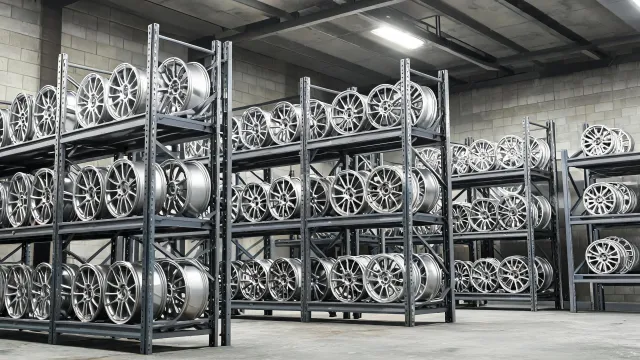
Discuss quantities and locations using your service history and plans.

Keep lead-time expectations and revision changes in the same conversation.
Send the vehicle groups, load, wheel interface, volume and target delivery windows.